Source dried raw black peppercorn for cooking, spice blends, and pickling
Compare 30 listings for dried raw black peppercorn from Chinese suppliers offering various grades and packaging options. Buyers can evaluate specifications, certifications, and pricing for use in daily cooking and spice manufacturing.
Key considerations
Products List



Comprehensive Sourcing Guide
Strategic Sourcing Guide for Dried Raw Black Peppercorn
Procuring dried raw black peppercorn requires a disciplined approach that balances botanical authenticity with rigorous supply chain verification. The global market for this spice is vast, yet the specific segment of raw, unprocessed peppercorns presents unique challenges regarding moisture content, aromatic integrity, and contamination risks. Buyers must navigate a landscape where product attributes vary significantly between suppliers, even when the core keyword remains identical. This guide outlines the essential technical, compliance, and operational factors necessary for securing a reliable supply of high-grade black peppercorns without relying on unverified market claims.
Technical Specifications and Product Attributes
The foundation of any successful procurement begins with a precise definition of technical specifications. In the context of dried raw black peppercorn, the primary attribute is the processing state. The product must be classified as "Raw," indicating that the peppercorns have not undergone roasting, grinding, or chemical treatment prior to delivery. This raw state is critical for buyers who intend to perform their own processing or require the full spectrum of volatile oils that degrade under heat. The physical form should be "Dried," ensuring that the moisture content is low enough to prevent mold growth during transit and storage, though exact moisture percentages must be verified against the specific supplier's batch data.
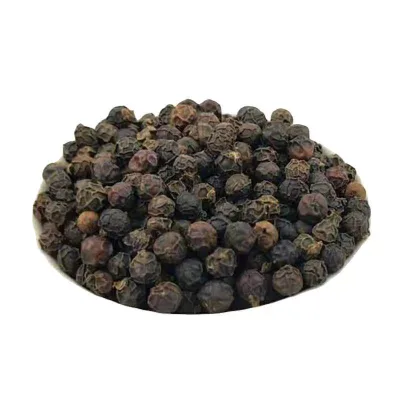
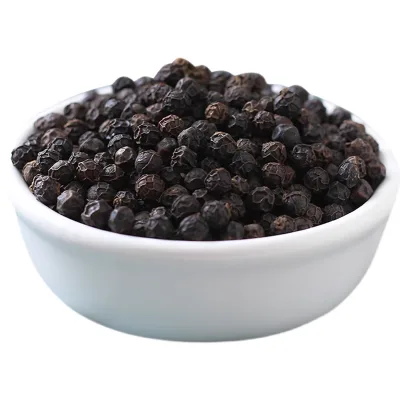
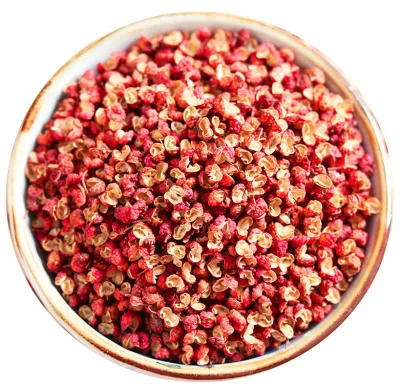
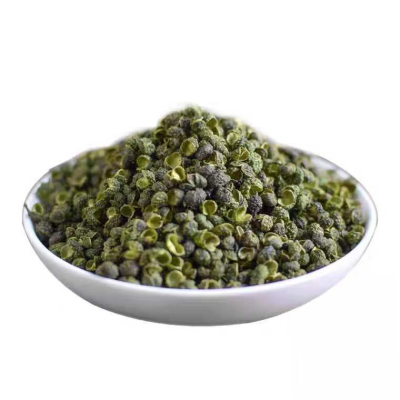
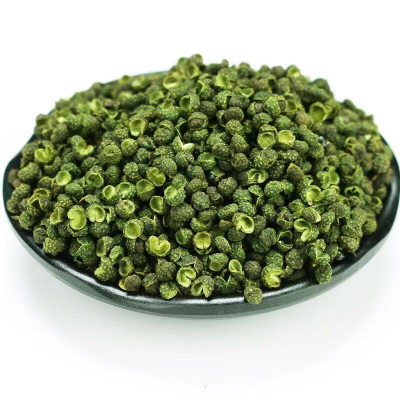
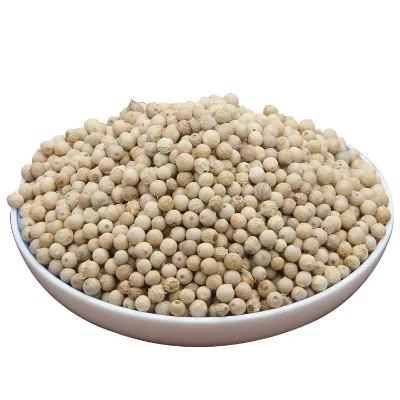
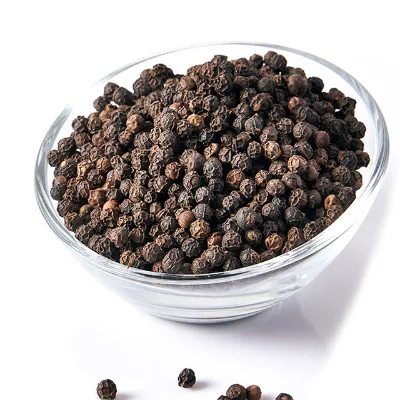
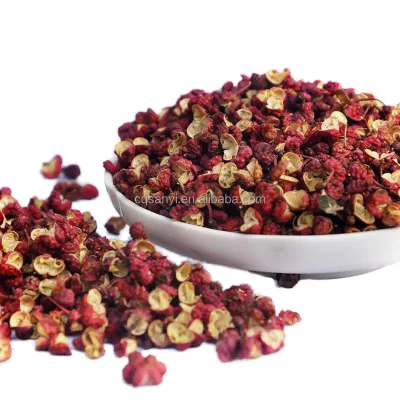
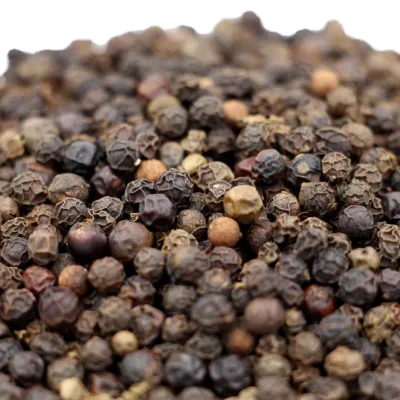
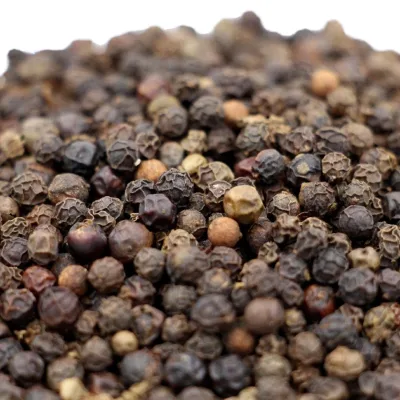
Color is a primary visual indicator of quality and variety. While the core keyword specifies black peppercorn, the market often presents variations such as "Black color" or even "Green" variants that may be listed under similar categories. A buyer must explicitly distinguish between fully dried black peppercorns and green peppercorns, which may be preserved via brine or freeze-drying methods. The observed data indicates that some listings describe a "Red" color or "Green" color, which suggests a need for strict visual inspection upon receipt to ensure the product matches the "Black color" specification. The texture should be firm, and the surface should be wrinkled, characteristic of the drying process.
Packaging is another critical technical specification that influences shelf life and product integrity. The supply chain data reveals a mix of packaging materials, including "Plastic," "Paper," "Carton," and "Bag." Specific configurations observed include "1kg with Two Plastic Bags Inside and One Aluminum" layering, as well as standard "Plastic Bag and Carton" combinations. The choice of packaging material directly impacts the product's ability to resist moisture and light. For long-term storage, a multi-layer approach involving aluminum or high-density plastic barriers is generally preferred to maintain the "High" grade status of the peppercorns.
Compliance and Certification Verification
Navigating the regulatory landscape for food-grade spices is non-negotiable. The presence of certifications such as "HACCP," "FDA," "ISO," and "BRC" is a strong indicator of a supplier's commitment to food safety management systems. However, buyers must treat these certifications as observations rather than automatic guarantees. It is essential to request valid, current certificates for the specific facility producing the batch in question. The data shows that some products are listed with "HACCP,ISO" while others carry "HACCP,FDA,ISO,BRC." This variance suggests that not all suppliers in the market hold the same level of compliance, and the buyer must verify which certifications apply to their specific order.
The "Food grade" standard is a baseline requirement, but it is often insufficient on its own. Buyers should verify if the product meets specific international standards such as "1.02kg" or "20kg" weight tolerances, which may relate to standard packaging weights rather than quality metrics. More importantly, the "prod_standard" field often lists "customized" or specific weight configurations like "0.5kgs/bag." This indicates that the supplier may offer flexible packaging solutions, but the buyer must ensure that the customized standard still adheres to the destination country's import regulations.
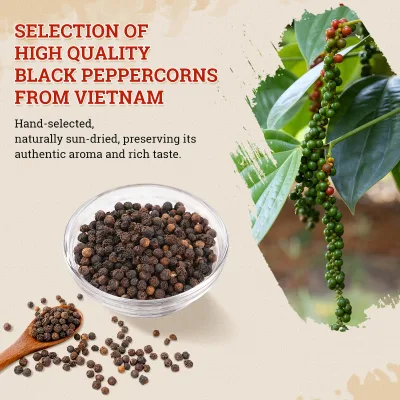
Origin verification is equally critical. The data points to "China" and specifically "Hunan" as production locations. While Hunan is a known region for spice production, the buyer must confirm the specific farm or processing facility to ensure traceability. The "Source" attribute is listed as both "Natural" and "Cultivated," which implies that the peppercorns are grown rather than wild-harvested. This distinction is important for sustainability claims and consistency of supply. The "Address" field, mentioning locations like "Shenzhen Longhua," provides a logistical anchor, but the actual agricultural origin must be confirmed to assess climate-related quality factors.
Cost Drivers and Pricing Dynamics
Understanding the cost structure of dried raw black peppercorn requires an analysis of several variables. The observed price range in the market spans from $3 to $6,500, a disparity that reflects differences in volume, grade, packaging, and certification levels. The lower end of this spectrum likely represents bulk raw material or smaller packaging units, while the higher end may include premium grades, specialized certifications, or consolidated shipments with complex logistics.
The "Grade" of the peppercorn is a primary cost driver. The data explicitly mentions "High" grade and "1st Grade" classifications. Higher grades command premium prices due to larger berry size, uniform color, and lower defect rates. Buyers should not assume that a lower price equates to a lower grade; however, a significant deviation from the market average often signals a compromise in quality or a lack of necessary certifications.
Packaging costs also play a significant role. The transition from simple "Plastic Bag" to "Plastic Bag and Carton" or "Bag" with aluminum lining adds material and labor costs. Furthermore, the "Customization" attribute suggests that bespoke packaging solutions will incur additional fees. The "MOQ" (Minimum Order Quantity) range of 1 to 1000 units indicates that smaller buyers can access the market, but larger volumes may offer better per-unit economics. Buyers must calculate the total landed cost, including freight, which is influenced by the "Deliver Time" of 20 days and the "Storage Method" requirements.
Typical Applications and Usage Protocols
Dried raw black peppercorn serves a diverse range of applications, primarily within the food and beverage industry. The "Application" field lists "Daily-use Chemical" and "Edible," with a specific focus on "Cooking" and "Spice" usage. The "Instruction for Use" often advises that the product should be "Cleaned first, then cooked," highlighting the necessity of pre-processing to remove dust or debris before culinary application.
The "Taste" profile is described as "Spicy," which is the defining characteristic of black peppercorns. This pungency is derived from the compound piperine, which is most potent in the raw, dried state. The "Storage Method" of "Normal" or "Cool Dried Storage" is essential to preserve this flavor profile. If stored improperly, the peppercorns may lose their aromatic oils, leading to a bland product that fails to meet culinary expectations.
In industrial settings, the "Product Type" is categorized as "Single Herbs & Spices," suggesting that the peppercorns are often used as a standalone ingredient or as a base for spice blends. The "Preservation Process" of "Brine" mentioned in the data might refer to specific processing steps for green peppercorns, but for black peppercorns, the drying process is the primary preservation method. Buyers should ensure that the "Instruction for Use" aligns with their specific production line requirements, particularly if they intend to grind the peppercorns on-site.
Supplier Evaluation and Selection Criteria
Selecting the right supplier requires a multi-faceted evaluation process that goes beyond price comparisons. The "Brand Name" is often listed as "OEM," indicating that many suppliers operate as private label manufacturers. This is common in the spice trade, where the focus is on the product rather than the brand. However, the "Address" and "Location" details provide a basis for logistical assessment. Suppliers based in "Shenzhen Longhua" may offer better access to international shipping hubs, potentially reducing lead times.
The "Customization" attribute is a key differentiator. Suppliers who offer flexible packaging, grading, and certification options are better positioned to meet the specific needs of B2B buyers. However, customization must not come at the expense of quality control. Buyers should request samples to verify the "Color," "Taste," and "Shelf Life" before committing to a large order. The "Shelf Life" of 18 months to 2 years is a critical metric; suppliers with shorter shelf lives may indicate older stock or inferior preservation methods.
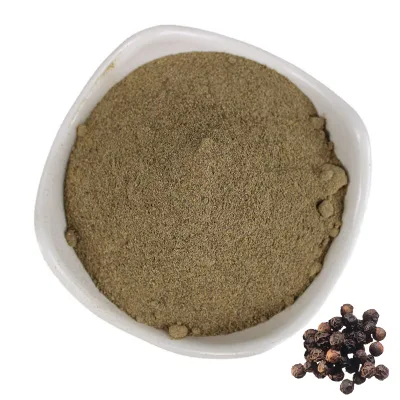
Verification of the "Source" as "Cultivated" and "Natural" ensures that the product is not adulterated with synthetic additives. The "Processing Type" being "Raw" must be confirmed through documentation, as some suppliers may offer pre-ground or roasted products that do not meet the "Raw" specification. A thorough supplier audit should include a review of their quality control protocols, specifically regarding the "Standard" and "Grade" of their output.
Quality Control and Long-Term Procurement
Implementing a robust quality control (QC) regime is essential for mitigating risks associated with dried raw black peppercorn. The "Storage" requirement of "Cool Dried Storage" must be maintained throughout the supply chain. Any deviation from this condition can lead to mold growth, insect infestation, or loss of potency. Buyers should specify temperature and humidity limits in their contracts and require temperature logs during transit.
The "Test Results" and "Performance Claims" should be verified through third-party laboratory analysis. While the data mentions "Food grade" and various certifications, specific test results for aflatoxins, pesticide residues, and heavy metals are not explicitly provided in the general product list. Buyers must request these specific test reports for every batch to ensure compliance with international food safety standards.
Long-term procurement considerations involve building a resilient supply chain. The "Deliver Time" of 20 days suggests a moderate lead time, which buyers must factor into their inventory planning. The "MOQ" range allows for flexibility, but consistent ordering patterns can help stabilize prices and ensure priority treatment from suppliers. The "Standard" of "customized" implies that buyers should establish clear specifications early in the relationship to avoid misunderstandings.
Finally, the "Product Name" and "Model" (e.g., "PEPPER," "DV-DO," "RS004") serve as unique identifiers for the buyer's internal systems. Maintaining a consistent reference to these models ensures that the correct product is ordered repeatedly. The "Instruction for Use" and "Shelf Life" must be communicated clearly to downstream partners to prevent product degradation. By adhering to these rigorous standards, buyers can secure a reliable supply of high-quality dried raw black peppercorn that meets the demands of the global market.
FAQs
What certifications do dried raw black peppercorn suppliers typically hold?
Suppliers often hold HACCP, FDA, ISO, and BRC certifications to ensure food safety. These credentials verify that the production facility meets international standards for hygiene and quality control during the cultivation and processing of the spice.
How long is the shelf life of dried raw black peppercorn?
The shelf life typically ranges from 18 months to 2 years when stored correctly. Buyers must ensure the product is kept in cool, dried storage conditions to maintain its spicy taste and prevent mold growth during transit.
Which packaging materials are used for dried raw black peppercorn?
Common packaging includes plastic bags, paper, cartons, and aluminum-lined layers. Specific configurations often involve 1kg units with two plastic bags inside an aluminum layer or standard plastic bag and carton combinations for protection.
Can buyers request customization for dried raw black peppercorn orders?
Yes, customization is available for packaging, grading, and specific product standards. Buyers can negotiate customized weights like 0.5kg per bag or specific packaging requirements while maintaining the raw processing type and high-grade quality.
What is the typical lead time for delivering dried raw black peppercorn?
The delivery time is generally around 20 days from order confirmation. This lead time accounts for processing, packaging, and logistics from the origin locations such as Hunan or Shenzhen Longhua in China to the destination.
What grade of dried raw black peppercorn is available from suppliers?
Suppliers offer High grade and 1st Grade peppercorns based on size and defect rates. These grades ensure uniform color and texture, meeting the food-grade standard required for culinary applications and daily use in cooking.